
Building a Strong Workforce in Construction Starts with Investing in People
The construction industry has been talking about workforce and professional development challenges for years. Skilled labor shortages, evolving project demands, and changing attitudes towards recruitment and employee retention continue to shape how we operate and grow.
In 2026, this issue is as much of a priority as the technical aspects of construction that deliver projects on time and on budget. According to ESI’s CEO and President, Neil Nelson, “The companies that are built to last in construction are the ones people want to work for. We are building that company on purpose, not by accident.”
ESI believes that maintaining a strong, professional workforce is not only a competitive advantage in business but a long-term responsibility. One that requires consistent investment, strong partnerships, and a commitment to developing people at every stage of their careers, even before they begin.
An Employment Pipeline that Works
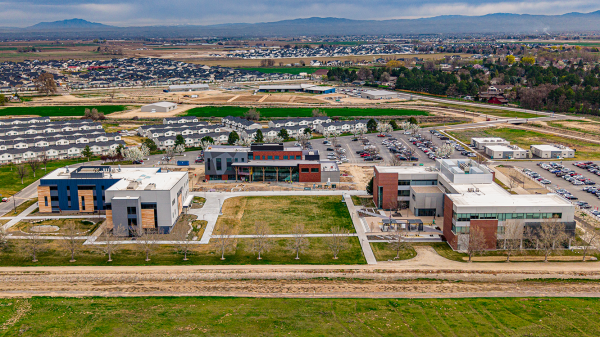
CWI’s Growing Campus in Nampa, ID
We’ve learned that building a dedicated workforce doesn’t start when a project is awarded. It starts much earlier, with exposure to the industry, hands-on education, and opportunities to succeed professionally.
That’s why we’ve focused on strengthening connections with educators and institutions dedicated to career technical education (CTE), supporting programs that introduce students to careers in construction. These programs and facilities, from Middle School CTE classes to Boise State’s new ESI Construction Management Building, are the foundation of workforce development, helping the next generation build practical, applicable skills. From internships to classroom engagement to helping create spaces where future builders can learn, these partnerships are one way we’re contributing to a stronger employment pipeline.
ESI’s work with the College of Western Idaho (CWI) is another partnership that is making a significant impact on the labor market and regional economy. Over the past two years, CWI has made significant investments in facilities and programs aimed at in-demand skills development, professional certifications, and continuing education. ESI recently delivered both the Health and Sciences Building and the Horticulture and Agriculture Sciences Building on CWI’s Nampa campus, which are enrolling thousands of students. Work continues on a Student Learning Hub, also on the Nampa campus, and the Micron Academic Building in downtown Boise. Once completed, these new buildings serve as unique learning environments where students can achieve skills and training in some of the hottest career fields in the region and beyond.
The New Standard for Training and Career Growth

Field Engineers in Training at the ESI Academy
We’ve also found that changing the conversation around construction and the trades matters. Programs like Six Figures, No Suits are helping highlight the real opportunities that exist in the industry right now and into the foreseeable future. With this program, ESI can offer valuable work experience to populations like transitioning military members, offering trained, disciplined, and motivated individuals the opportunity to develop specialized skills in the construction industry. Recruiting and investing in these mid-career transitions builds a bridge for the next generation to find meaningful work, financial stability, and long-term career growth.
In 2026 and beyond, ESI is dedicating the people and resources necessary to achieve that vision of a sustainable workforce of construction professionals. This is a work in progress. There’s more to learn, and more work to do. “This doesn’t happen by accident, but by design,” Nelson observed. “We want to be intentional about our workforce programs inside our walls, too. We are building a culture where we invest in our people, challenge them, and make sure they feel valued.”
As we continue to build these programs and partner with like-minded organizations, we understand the future of our industry will be shaped by the people we invest in today. This is why creating opportunities now is critical, and it’s something we all have a role in building.